
What we do
Seven kinds of everyday help.
None of it is clinical. All of it is the practical, human part of care: the hours in your kitchen, the lift to the appointment, the yard, the housework, and the person who turns up knowing how you like things done.

Two ways it gets funded
Every service below carries a tag telling you which world pays for it. Follow the tag and it takes you to the plain-language explanation.

Pick the one that sounds like your week
-
Support that comes to you
Daily living support
Hours-based support that comes to you and works around the routine you already have.

-

-
Support where you live
Supported independent living
Support in the home you live in, including overnight.

-
Making a plan work
Support coordination
Making the pieces of a plan work together, and keeping your choice of provider real.

-
Outside the house
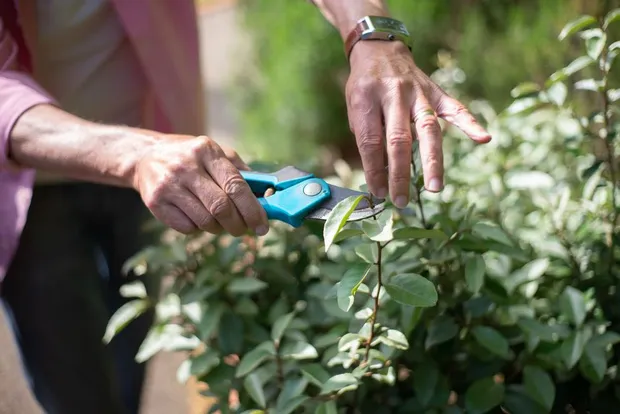
Gardening and home help
Lawns, garden beds, hedges and the outdoor jobs that get harder to keep on top of.
-
Inside the house
Cleaning and domestic assistance
Kitchen, bathroom, laundry and the general tidy that makes a place feel like yours.

-
How everything else is delivered
Support-worker matching
Not a service so much as how every other service gets delivered.
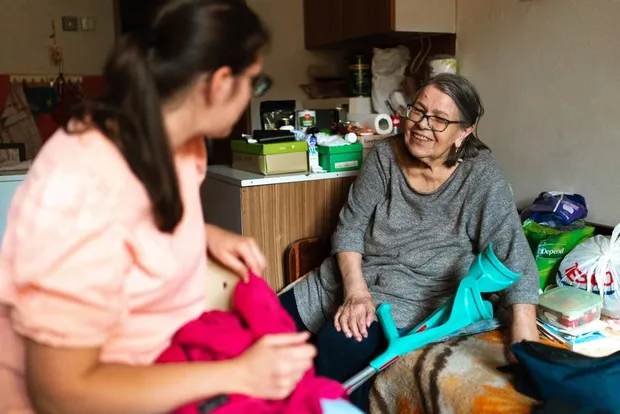
Every one of them is really the same service
Whichever row you picked, what actually arrives at your door is a person. That is why matching is the thing we take most seriously, and why it gets a page of its own rather than a line in a list.
- Matched on the practical constraints, then on whether you will actually get on
- Screened and inducted before a first shift, never after it
- Changed without an argument when the fit is wrong
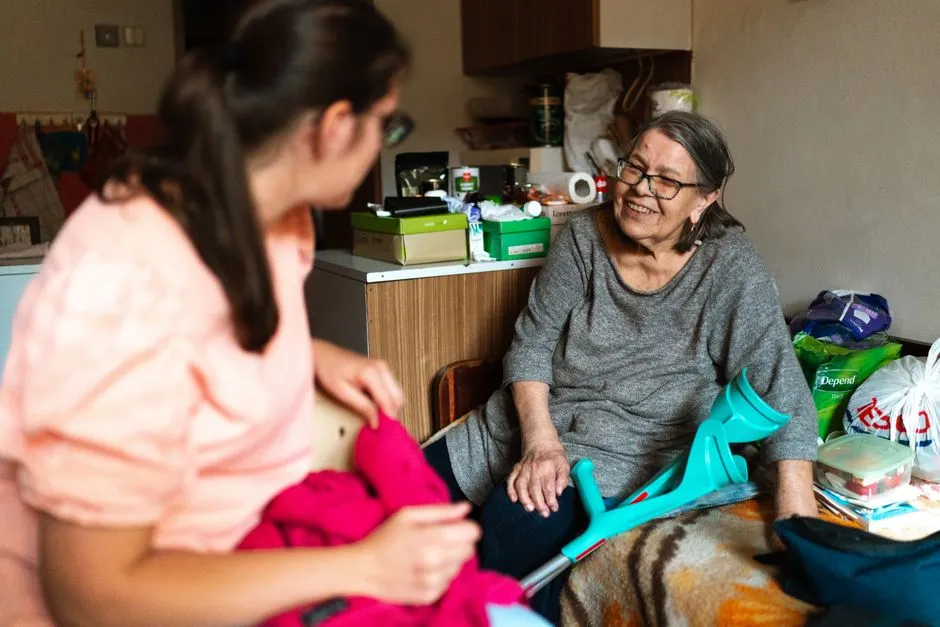
Not sure which of these you need?
Most people are not, and you do not have to work it out before you call. Tell us what a hard day looks like and we will work backwards to the right kind of support, or tell you honestly that it is someone else's job.