
Out of the house
Community access
Getting to the places, activities and people that matter to you.

- Tue, the shops
- Thu, art group
- Sat, out to the coast
What this looks like day to day
Out of the house and into the things worth turning up for.
- 01 A lift and a hand at appointments, including the ones where it helps to have someone taking notes.
- 02 The weekly shop, the bank, the post office and the errands that are simple until they are not.
- 03 Sport, choir, the men's shed, church, a class at the library, whatever the standing commitment is.
- 04 Learning a bus or train route until it stops being daunting, then doing it with you until it is yours.
- 05 Work, study or volunteering, with support on the travel and the transitions either side of it.
- 06 Seeing the people who matter: a coffee with a friend, a birthday two suburbs over, a visit to family.

Who it is for
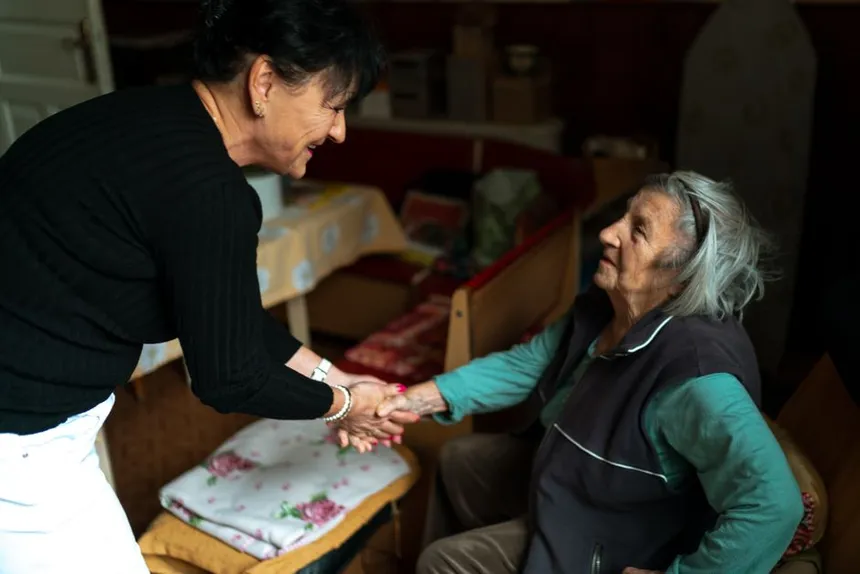
People whose world has quietly shrunk to the walls of the house, and people who are trying to make sure it never does. It suits younger participants building confidence outside a familiar routine, adults who want their week to include more than appointments, and older people who have stopped driving and are not ready to stop going out.
How Grove delivers it
We match on the things that actually decide whether an outing works: pace, patience, whether the worker can drive, and whether the two of you can sit in a car together without it feeling like an appointment.
How we match support workersFunded under
Follow a tag for the plain-language version of how that funding pays for this support, and what to do if you are not sure which one you are in.
Where it is available
Three metros and the regions around them. Area pages tell you what support looks like where you actually live.
People who booked this often needed


Questions people ask
If yours is not here, call and ask it. We would rather answer it on the phone than have you guess.
Can a support worker drive me?
Yes, in their own car or yours depending on what suits. Tell us at the first conversation if driving is essential, because it narrows the match and we would rather know up front than swap workers later.
Who pays for tickets, coffee and petrol?
Your own costs stay yours: your entry fee, your lunch, your fare. Travel and transport can sometimes be claimed against your funding, so it is worth checking your plan or asking your plan manager before you assume either way.
Can two people share a support worker on an outing?
Sometimes, where both people want the same activity and the mix works. It can stretch funding further, but we will not group people together just to make a roster tidier.
What if I change my mind on the day?
Then we do something else, or nothing at all. A worker turning up and the plan changing is a normal shift, not a wasted one.
Tell us what a hard day looks like
That is the whole first conversation. No plan documents, no forms, and an honest answer about whether we are the right fit.