
How everything else is delivered
Support-worker matching
Not a service so much as how every other service gets delivered.
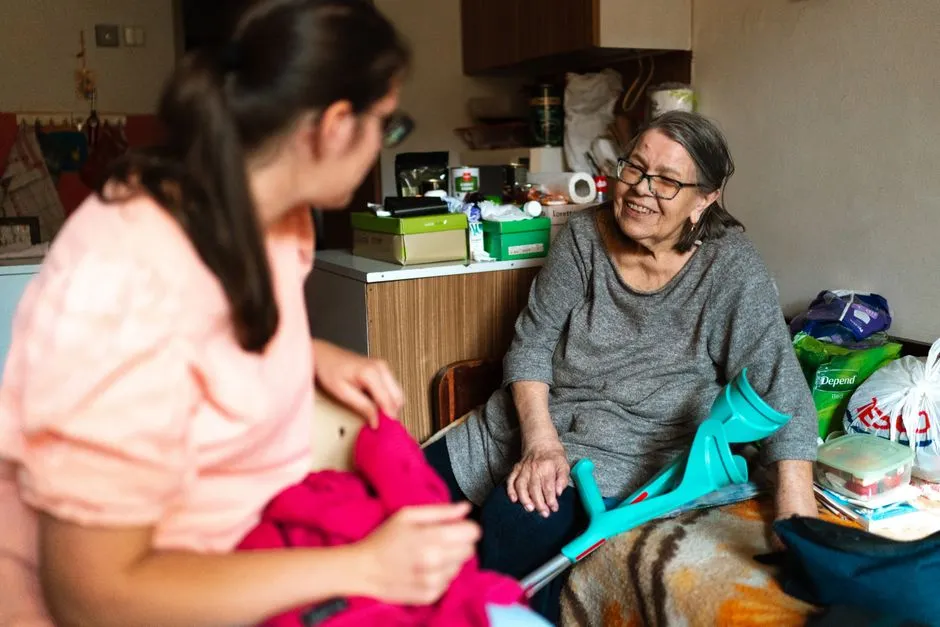
- The same face weekly
- Screened and inducted
- Swapped on request
What this looks like day to day
The person who turns up is the whole thing.
- 01 A first conversation about the person, not the paperwork: what a good day looks like, what a hard one looks like.
- 02 Matching on the practical constraints first: suburb, days, hours, driving, languages spoken, gender preference.
- 03 Then matching on the part that actually decides it: pace, humour, and whether they can be in your house without it feeling like a visit.
- 04 A meet before the first shift wherever we can arrange it, because you should get to say no before anyone starts.
- 05 Every worker screened, checked and inducted before they are ever offered to you.
- 06 A rostered team small enough that a fill-in shift is still a familiar face.

Who it is for
Everyone Grove supports, whether the funding is NDIS or Support at Home, and whether the support is two hours a fortnight or rostered through a house. It matters most to people who have already had a bad match and are wary of starting again.

How Grove delivers it
Matching is not a one-off. We check in after the first few shifts, and again once the routine has settled, because the honest answer to whether a match works usually arrives in week three rather than week one.
How we match support workersWhen a match is wrong
Say so. You do not need a reason you can defend, and you will not be asked to give one. Nobody has to be difficult to be the wrong fit, and changing your mind is not a complaint. We would rather move a worker in week two than lose you in month six, and choosing who comes into your home is your call, not a favour we grant.
Funded under
Follow a tag for the plain-language version of how that funding pays for this support, and what to do if you are not sure which one you are in.
Where it is available
Three metros and the regions around them. Area pages tell you what support looks like where you actually live.
People who booked this often needed
 Support that comes to you Daily living support Hours-based support that comes to you and works around the routine you already have.
Read more
Support that comes to you Daily living support Hours-based support that comes to you and works around the routine you already have.
Read more
 Out of the house Community access Getting to the places, activities and people that matter to you.
Read more
Out of the house Community access Getting to the places, activities and people that matter to you.
Read more
 Support where you live Supported independent living Support in the home you live in, including overnight.
Read more
Support where you live Supported independent living Support in the home you live in, including overnight.
Read more
Questions people ask
If yours is not here, call and ask it. We would rather answer it on the phone than have you guess.
What do you actually match on?
Availability, location, the practical skills the shift needs, and then the human part: language, gender preference, cultural background, interests, pace, and whether the two of you are likely to get on. The practical part is a filter. The human part is the decision.
Can I meet a worker before they start?
Wherever the timing allows, yes, and we will try hard to make it possible. A ten minute conversation up front prevents most bad matches.
What checks do your workers have?
Screening and background checks appropriate to the work they do, plus induction before their first shift. Ask us for the specifics for the worker coming to you and we will tell you exactly what they hold.
How many different workers will come to my house?
As few as the roster can manage. The aim is a primary worker plus one or two familiar backups, not a pool of twelve names you have to keep re-explaining yourself to.
Can I request a change without it being awkward?
Yes. Tell your coordinator or call the office and it gets handled quietly. The worker is told the roster changed, not that you complained about them.
Tell us what a hard day looks like
That is the whole first conversation. No plan documents, no forms, and an honest answer about whether we are the right fit.