
Outside the house
Gardening and home help
Lawns, garden beds, hedges and the outdoor jobs that get harder to keep on top of.
- Mow and edge
- Beds and weeding
- Green waste gone
What this looks like day to day
Outside and around the home.
- 01 Mowing, edging and whipper snipping on a regular visit, so the yard never gets away from you.
- 02 Weeding, mulching and keeping the garden beds in shape through the growing season.
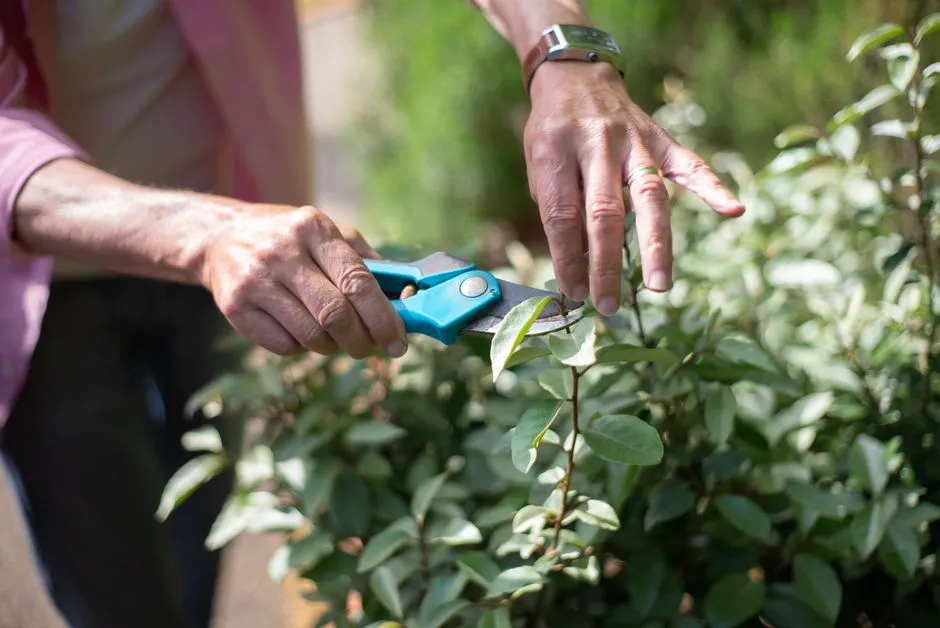
- 03 Pruning and hedge trimming, including the shrubs that have quietly taken over a path or a window.
- 04 Green waste bagged, binned or taken away, rather than left in a pile by the fence.
- 05 Watering, pots and seedlings while you are away or while you are not up to it.
- 06 Keeping paths, driveways and steps clear of leaves and moss, which is a trip hazard before it is a chore.
Who it is for
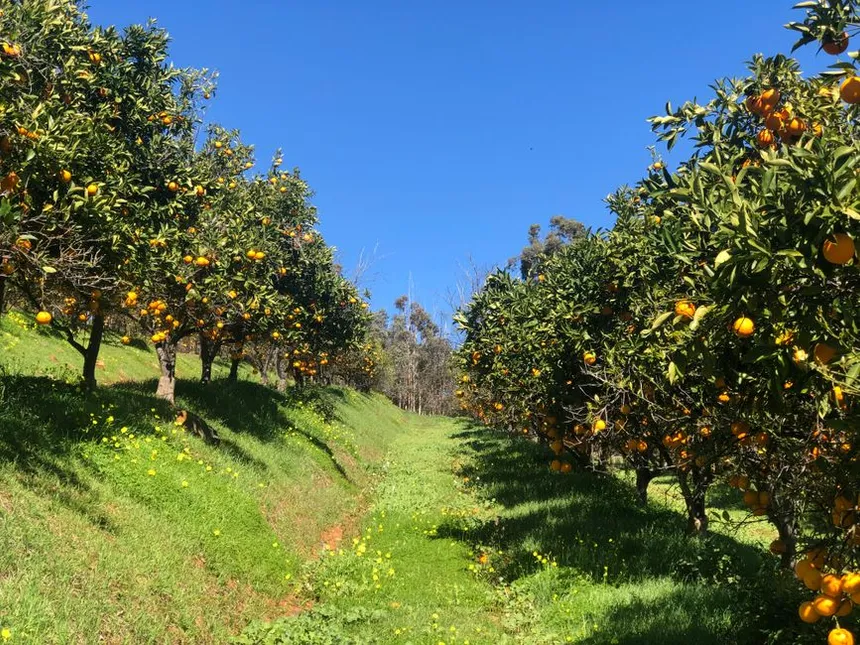
People who care about their garden and can no longer do all of it, and people who simply want the outside of the house handled. Common with older Australians who have gardened for forty years and are not willing to watch it go under, and with participants whose plan funds yard maintenance they cannot safely do. It suits anyone for whom the mower has become too heavy, the hose too far to drag, or the wheelbarrow a genuine falls risk on a sloping block. Verges, fence lines and the strip nobody can quite reach are usually the first things to go, and they are usually the first things a neighbour notices.
How Grove delivers it
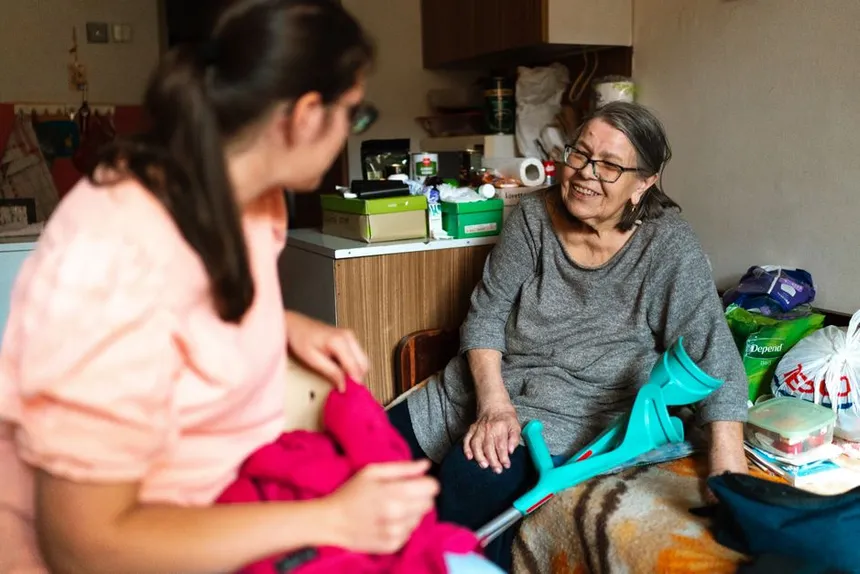
The same worker on a standing visit, because a garden is a relationship with a place. They learn what you want left alone, which is usually the part a contractor gets wrong: the self-seeded tomato, the rose your mother planted, the patch you are deliberately letting go wild. They also learn where the tap is, which side of the shed the secateurs live on, and how you like the clippings dealt with.
How we match support workersA garden runs on a calendar
A standing visit is not the same job every month, and a provider who treats it as one lets the yard slide. Spring and summer are growth: mowing weekly rather than fortnightly, edges, and staying ahead of the weeds. Autumn is leaves, gutters within reach, and cutting back. Winter is the quiet stretch where pruning and structure work happen. Before summer in the fire-prone areas it is clearing, and we will raise that with you rather than wait to be asked.
Funded under
Follow a tag for the plain-language version of how that funding pays for this support, and what to do if you are not sure which one you are in.
Where it is available
Three metros and the regions around them. Area pages tell you what support looks like where you actually live.
People who booked this often needed


Questions people ask
If yours is not here, call and ask it. We would rather answer it on the phone than have you guess.
Do you bring your own tools?
Usually yes for the basics. If your yard needs a specific machine, or you would rather your own mower was used, tell us at the first visit and we will sort it out.
Is this funded, or is it a private service?
It can be either. Yard maintenance is funded for some people and not for others, and it depends on your plan or your assessment rather than on the task itself. We will tell you what we can see and you can check it with your plan manager.
Can you do a big one-off clean up?
Yes. An overgrown yard is often the first job, and a standing fortnightly or monthly visit is what keeps it from happening again.
What about jobs on the roof or up a ladder?
Anything at height, or anything that needs a licensed trade, is not support work and we will say no. Tree lopping, chainsaw work, roof and gutter work above hand height, and pest spraying all sit with a licensed contractor. We would rather point you to the right trade than have someone hurt on your property.
Where do the clippings and green waste actually go?
Into your green bin if there is room, and bagged or trailered away if there is not. A big autumn cut or a first tidy generates more than a wheelie bin holds, so we will tell you before the visit whether a tip run is needed and what that adds.
Tell us what a hard day looks like
That is the whole first conversation. No plan documents, no forms, and an honest answer about whether we are the right fit.